Preflight for CO2 jobs
Confirm approved material, thickness, file scale, focus, bed clearance, extraction flow, air assist, lens condition, cooling status, and the location of the first-piece inspection sample.
Request the checklist →A finished part tells only half the story. The resource set helps your team preserve the material identity, optical setup, process values, inspection method, and maintenance condition that produced it.
Open the workbench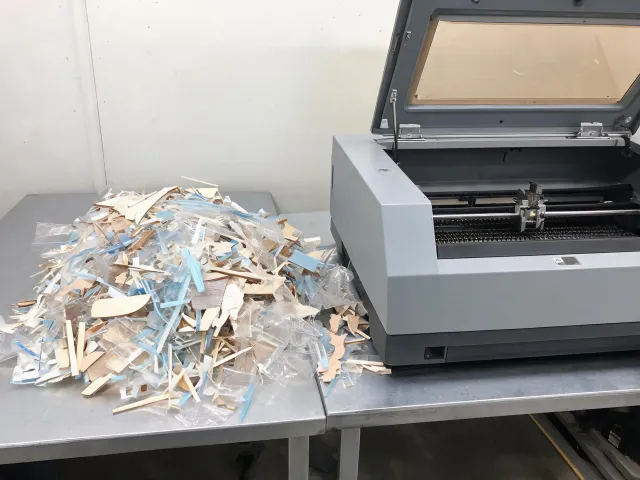
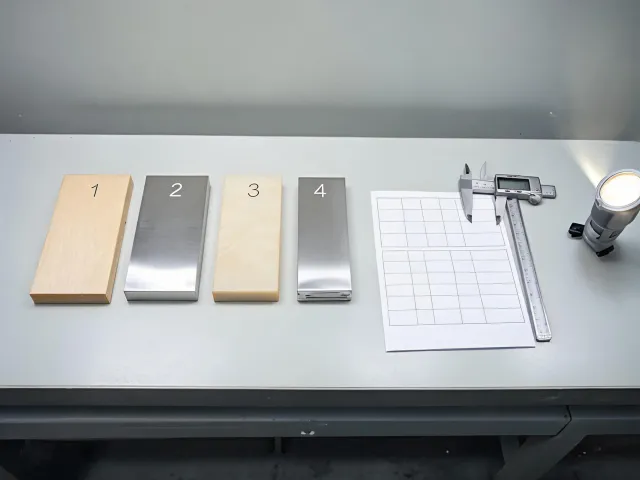
This worksheet layout is a planning aid, not a performance guarantee. Enter values from your own test or quote and keep the assumptions beside the result.
Confirm approved material, thickness, file scale, focus, bed clearance, extraction flow, air assist, lens condition, cooling status, and the location of the first-piece inspection sample.
Request the checklist →Log one controlled change at a time. Capture source, speed, power, frequency when applicable, pass count, focus, assist condition, visual result, dimensions, cleanup, and operator initials.
Request the worksheet →Compare process compatibility, part size, fixture clearance, usable field, loading path, extraction, cooling, utilities, operator access, software handoff, and service boundaries.
Review machine paths →Preserve model family, material, job file, setting, alarm text, optics state, cooling state, visible symptom, recent maintenance, and safe checks already completed before escalation.
Prepare a support record →Track supplier, product name, composition documentation, coating, known fume concerns, approved process, extraction requirement, storage location, reviewer, and review date.
Discuss lab controls →Define placement, edge or mark appearance, dimensional check, readability, surface effect, cleanup limit, sample label, and the person authorized to release the batch.
See application examples →Tell us whether you are cutting acrylic, engraving wood, marking coated metal, or preparing a shared lab. Include the exact material source and the acceptance check you intend to use. We will frame the application conversation around those inputs rather than a universal settings promise.
Settings vary with machine configuration, optics, material, maintenance condition, ventilation, and environment. Never process unidentified PVC, vinyl, or other uncertain substrates; obtain material documentation and follow the machine manual and local safety requirements.